Most B2B buyers do their research where your analytics cannot see it. They ask AI tools, talk to peers, join communities, and read reviews. By the time they fill in a form, the shortlist is often set. That hidden stretch is the dark funnel. You cannot track all of it, but you can measure its signs and shape it.
Definition: The dark funnel is the part of the B2B buying journey that happens in channels your tracking tools cannot record, such as private conversations, communities, AI chat tools, and offline events.
Updated November 2026
Why the Dark Funnel Decides More Deals Than Your Funnel Reports
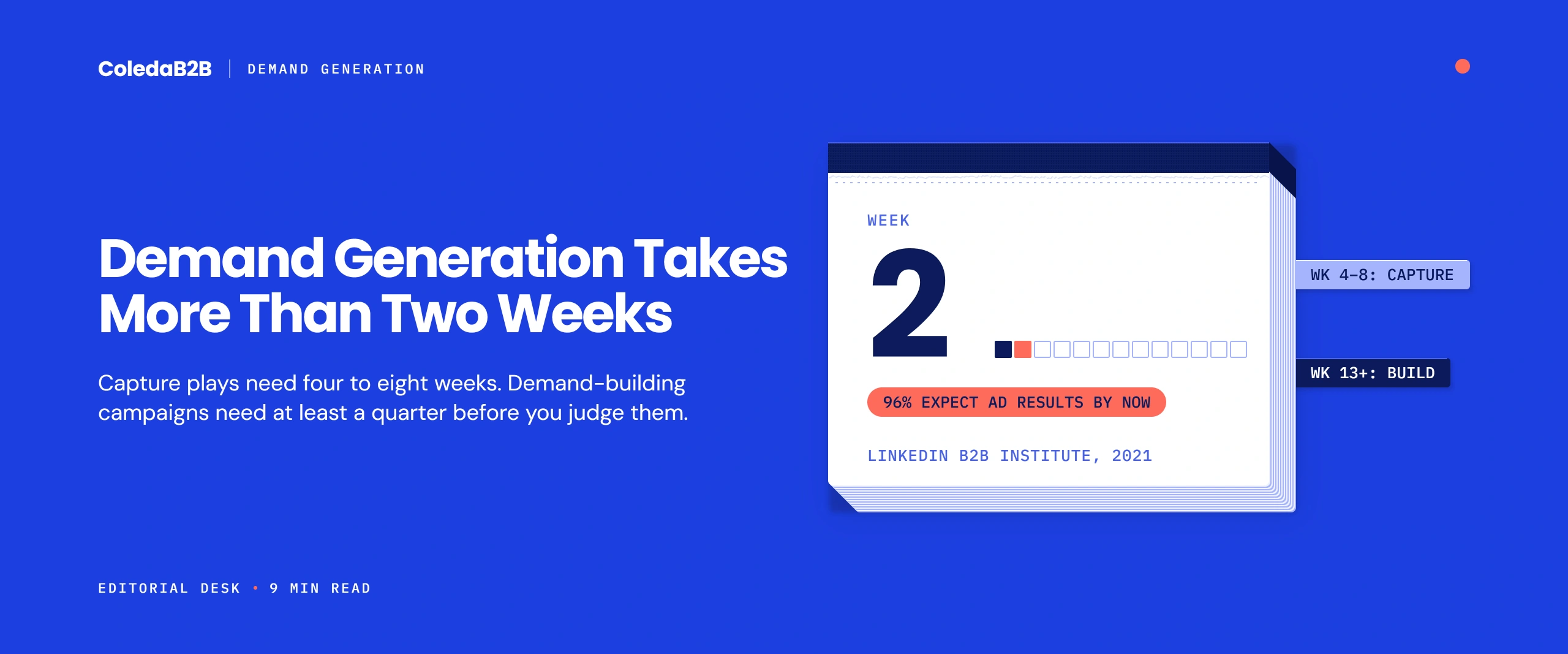
Today, buyers do most of the work before they speak to you. The 6sense 2025 B2B Buyer Experience Report surveyed close to 4,000 buyers. It found that first contact with a vendor happens about 61% of the way through the buying process. That is earlier than the 69% in past 6sense studies. However, the main decisions still come before it.
The same study, as summarized by CustomerThink, shows three more things:
- Buying groups filled four of the five places on their shortlist on day one.
- Buyers bought from the vendor they ranked first 77% of the time.
- 79% of buyers said they made the first contact, not the vendor.
On top of that, time with vendors is short. Gartner research found that buyers spend only about 17% of their buying time meeting potential suppliers. Also, that time is split across every vendor they consider.
In short, the vendor who leads before the first call usually wins, and that lead is built out of sight.
Where Buyers Research Out of Sight
This hidden research is not one place. Instead, it is a set of channels that share one problem: you see the result, but not the activity.
AI chat tools. Buyers ask ChatGPT, Gemini, Perplexity, or Claude to list and compare vendors. Most of those stay inside the tool. As a result, only some buyers click through to a website.
Peer conversations. A buyer asks a former colleague or a private group which vendor they used. This is often the most trusted input. However, it leaves no data.
Communities and events. Practitioners learn from Slack groups, meetups, and conferences. At best, you see an attendee list.
Podcasts and video. A buyer can hear a dozen episodes on a topic in a month. However, downloads show how many listened, not who.
Review sites and analyst content. These are only partly hidden. Some sites share buyer activity, but most comparison reading goes unrecorded.
Meanwhile, research on these channels is growing. Forrester’s State of Business Buying 2024 found that almost 95% of buyers planned to use generative AI in their purchase process within a year. It also found that 13 people take part in an average buying decision. So more people research, and more of it happens out of sight.
The Dark Funnel Visibility Map
For each channel, the table shows what you can see, the sign to watch, and how to have a say.
| Research channel | What buyers do there | What you can see | Proxy signal to watch | How to influence it |
| AI chat tools | Ask for shortlists and comparisons. | Very little; some referral visits | AI referral sessions in analytics; “AI” in form answers | Clear public facts, third-party coverage, and reviews |
| Peer chats and private groups | Ask who others used and why. | Nothing | Direct visits and brand searches from new companies | Happy customers who will speak for you |
| Communities and events | Learn from practitioners. | Attendee lists, if you take part | Visits and mentions in sales calls after events | Speak, answer questions, show real expertise |
| Podcasts and video | Learn a topic over several weeks. | Plays and downloads, not people | Brand search rises after episodes. | Guest spots on shows your buyers follow |
| Review sites | Compare vendors side by side. | Partly, on some platforms | Profile views and category page visits | Current profiles and a steady flow of reviews |
| Publisher sites | Read reports, guides, and research. | Mostly, when sharing is consent-based | Content engagement by account | Content syndication on relevant publishers |
| Your website | Check pricing, proof, and fit. | Yes | Pricing, comparison, and case study visits | Plain answers, with core facts not behind forms |
Signals the Dark Funnel Leaves Behind
Still, hidden research is not silent. When a buying group gets serious, these signs tend to appear:
- Brand search growth. More people search for your company name, often from one region.
- Direct visits from new companies. People type your address in, often after a peer tip or a podcast.
- Several visitors from one account. Three or more people from the same company read your pages in a short window.
- High-intent page visits. Pricing, comparison, integration, and case study pages get repeat views.
- AI referral traffic. Visits arrive from chatgpt.com, perplexity.ai, or gemini.google.com.
- Hiring posts. A company advertises roles tied to the problem you solve.
Of course, one sign on its own means little. Instead, look for three or more from the same account within about 30 days. For a full ranking of signals by strength, see our list of buying signals ranked by strength.
Ask Every Buyer One Question
So, the simplest way to measure the dark funnel is to ask. Add an optional field to your demo and contact forms: “How did you hear about us?”
Keep it as free text. After all, a dropdown only offers channels you already know. In contrast, free text captures surprises, such as a podcast name. Then ask sales to repeat the question on the first call and note the answer in the CRM.
Then, each month, code the answers so you can count them:
| What the buyer wrote | Code it as | What it tells you |
| “ChatGPT suggested you” or “found you through AI” | AI tool | AI answers are naming you; check what they say |
| “A colleague” or “my old company used you” | Peer referral | Customer word of mouth is working. |
| “Heard you on a podcast.” | Podcast | That show reaches your buyers. |
| “Saw your profile on G2.” | Review site | Reviews are part of the shortlist. |
| “Read your report on a tech site.” | Publisher content | Third-party content is reaching buyers. |
| “Google” | Search (ask what they searched). | Search found you, but something sent them there. |
Next, compare the coded answers with your attribution software. The gap between them shows how much research you cannot see. Expect peer referrals and AI tools to appear far more often in buyer answers, because software cannot record them.
How to Read Intent Scores When the Research Goes Dark
Intent data covers only part of the picture. For instance, third-party intent tracks research on publisher networks, while first-party data tracks your own site. Neither sees a private chat or an AI conversation. If you need a refresher, start with what buyer intent data is.
That is why you should read scores differently:
- A flat score does not mean a cold account. The buying group may be asking AI tools and peers instead of reading publisher content.
- Combine sources. Use third-party intent, first-party activity, and the proxy signals above in one account view. Our guide to first-party and third-party intent compared explains what each source can and cannot show.
- Check against wins. Review your last 20 closed-won deals. How many showed intent before first contact? If the answer is few, your scores are missing hidden research, so you should give proxy signals more weight.
A Four-Week Plan to Measure the Dark Funnel
In fact, you need no new software. This plan sets a baseline in one month.
| Week | Action | Owner | Output |
| 1 | Add the free text. “How did you hear about us?” field. Create an AI referral channel group in GA4. | Marketing ops | Data starts flowing. |
| 2 | Record a baseline for brand search (Search Console) and direct visits from new companies. | Marketing ops | Starting numbers |
| 3 | Review the last 20 closed-won deals: compare the recorded source with what buyers said. | Marketing and sales | Size of the gap |
| 4 | Pick two channels to influence and set a monthly review of all signals. | Marketing lead | A short plan with owners |
After that, keep the monthly review. The aim is a trend, not a perfect number.
How to Influence Research You Cannot See
You cannot place an ad inside a private chat. However, you can shape what gets said there.
- Be present where buyers read. Syndicate useful content on publisher sites your buyers trust, so your name appears in research before the first visit.
- Do not gate basic answers. If buyers must fill in a form to learn what you do, they will ask an AI tool or a peer instead.
- Give AI tools accurate facts. Keep your services, industries, and proof points consistent across your site, directories, and review profiles. See how buyers use AI to shortlist vendors for a full checklist.
- Make customers easy to hear. For example, named reviews, case studies, and customer quotes travel through peer chats far better than ads.
- Be ready when buyers arrive. Buyers who reach you after weeks of private research are well informed. So, reply fast, answer pricing questions plainly, and skip the basic pitch.
How ColedaB2B Helps You Reach Buyers Before They Reach Out
As a partner, we run intent-based marketing programs that put your content in front of buyers while they research. Our seven owned B2B publishers, including TechsterHub and MarTechSpace, reach technology and business decision-makers where they read. As a result, your brand is part of the research. Every lead we deliver is opt-in, and our data practices are GDPR and CCPA compliant.
Want to know how much of your target market you can reach before buyers contact you? Send us 50 target accounts, and we will show how many decision-makers we can reach across our network.
Book a free TAL audience check